In the age of social media and content creation, plagiarism has found a new home—one that thrives in the shadows of monetized platforms, viral trends, and copycat culture. What was once seen as a moral failing, or something that only happened in the rarest of cases, has now become an acceptable shortcut for those looking to capitalize on others’ creativity. In the world of Black arts and entertainment, where individual expression and cultural legacy are everything, the rise of plagiarism is especially troubling. Today, many creators are left fighting to protect their work in an environment where the lines between inspiration and outright theft are often blurred.
Lies We Tell Ourselves
We’ve all heard the arguments that attempt to justify plagiarism in today’s creator economy. “Everybody is doing it…everybody is copying everybody,” some say. “There is nothing new under the sun,” others claim. Perhaps most insidiously, we hear “Imitation is the best form of flattery,” as though mimicking someone else’s work is a sign of respect and admiration, rather than an infringement on intellectual property.

But these justifications are lies we tell ourselves to make plagiarism feel ethical, to make it feel like it’s not a violation of the effort and time that a creator has put into their work. The truth is, these rationalizations only enable the normalization of stealing creative labor. They don’t protect creators—they protect the interests of those who benefit from the work of others without doing the hard work themselves.
Joshua Welch’s Experience: The Price of Originality
Joshua Welch, a Senior Communication Studies major at Morehouse College, knows all too well the impact of plagiarism on creators. For Joshua, his journey as a creator began as a hobby. “My journey as a creator started out as something that I was doing as a hobby when I was first introduced to the software iMovie in my eighth-grade year,” he shared. “My English teacher, who also happened to be over the yearbook club at the school, had us do a project in class where we had to make a trailer using iMovie. We were going over Ethos, Pathos, and Logos so she wanted us to use one of the three in our trailers for the project to see how we understood it.”
From there, his passion for video creation grew, thanks to the lessons from his mother, who owns a theater company, and her background in television production. “After I finished filming her play, I remember her showing me how to take footage from the camera’s SD card and import it into the computer to edit it. After having those two experiences, I remember how I would film random things and edit them as a hobby.” This early immersion in filmmaking sparked a lifelong passion that eventually led him to take content creation seriously.
However, Joshua’s entry into the professional side of content creation wasn’t without challenges. He soon learned that being a creator comes with risks—one of which is the potential theft of your work. During the current HBCU homecoming season, he found himself facing plagiarism of his workk. “The way that I first discovered that my work was used without my permission was when the person who took it uploaded something to their page,” Joshua recalled. “I met this person about a year prior to the situation, we followed each other on social media and would engage in each other’s posts. When I got the notification that they posted something on their page I clicked on the post and watched the video. I remember when I got to the part of the video that was using my work, I instantly kept rewinding the video.”
//www.instagram.com/embed.js
Joshua was in disbelief as he compared his original video to the plagiarized version. “I played my video side-by-side with the other person’s video then I realized that my work had been taken without my permission, and I was not given any sort of credit in their video. At first, I was in shock because something like that had never happened to me before and the person who took my work without any permission or credit had a large platform.”
Despite the shock, Joshua was determined to protect his creative work. His first step was to reach out to the person who had used his video without permission. “I initially reached out to the person about them using my work without my permission or giving me credit for it, and we were not able to come to a resolution due to the person taking zero accountability for their actions and trying to gaslight me.” This lack of accountability was frustrating, but it was also a sign of the bigger issue at play—the casual disregard for creators’ intellectual property in a world that monetizes content.
Joshua then took the matter to YouTube, submitting a copyright claim. “I then took it a step forward and submitted a copyright claim to YouTube. YouTube then reached back out to me with an e-mail letting me know that they took the person’s video down and that the person would not be monetized for it. The copyright process with YouTube was really smooth and I definitely appreciated that when it came to that situation.”
While Joshua’s situation was eventually resolved with the help of YouTube’s copyright protections, his experience illuminated the larger issue of how easily one creator’s work can be taken and used by others. “That experience was certainly very eye-opening and made me realize how important it is to protect your work because of how people can take your content without asking or letting people know that it is yours for their own monetary benefit,” he said.
The Monetization Problem: How Profit Fuels Plagiarism
The issue of plagiarism is made worse by the growing monetization opportunities available on platforms like YouTube, TikTok, and Instagram. These platforms offer creators the chance to make a living from their work, with revenue coming from ads, sponsorships, merchandise sales, and even tips from followers. For some, the pressure to go viral and earn a profit creates an environment where plagiarism is seen as an acceptable shortcut.
As Joshua’s experience shows, the rise of social media influencers and creators with large platforms has made it even easier for plagiarists to get away with stealing content. These individuals are able to leverage their followers and monetize stolen work, while the original creator, often with a smaller following, has to fight to get credit or compensation. This creates a power imbalance in the creator economy, where the person who does the stealing gets the reward and the person who does the creating is left to battle for recognition.
In fact, the more people rely on social platforms for financial stability, the more incentive there is to plagiarize. A creator trying to build their brand may copy successful video styles or ideas from others in the hopes of attracting followers and, ultimately, sponsorship deals. This only perpetuates the idea that originality is less important than quantity or viral success. In Joshua’s case, the person who took his work had a large platform, which made it more difficult for him to address the issue directly. Without platforms like YouTube offering a mechanism for copyright claims, it’s likely that his work would have continued to be exploited for someone else’s profit.
As Joshua wisely notes, “The best preventative measure would be to have all of your work legally copyrighted if possible.” For creators who may not have the resources to copyright every piece of content they produce, staying vigilant and actively protecting their work is important. YouTube’s Content ID system and copyright claims are invaluable tools for those whose work is being used without permission. But these tools shouldn’t be necessary in the first place—creators should be able to produce their work knowing that their intellectual property is safe from theft.
Cultural Justifications for Plagiarism: Deflecting Accountability
The spread of plagiarism has also been fueled by cultural justifications like “everybody’s doing it” and “imitation is the best form of flattery.” These excuses allow individuals to sidestep the real issue: plagiarism isn’t an act of admiration, it’s theft. And the idea that “there is nothing new under the sun” is particularly damaging in the creator economy because it suggests that stealing someone’s work is just part of the creative process.
While it’s true that creativity is often inspired by others, there’s a clear distinction between drawing inspiration and outright copying. Great creators build on the work of those who came before them, but they add their own voice and spin to it, making it something new. Plagiarism, on the other hand, is a lazy shortcut that robs creators of their credit and their livelihood.
In Joshua’s case, the person who stole his work didn’t just take his content. They took his personal story and his journey as a creator. That’s not flattery; that’s theft. The widespread acceptance of plagiarism as part of the “game” only makes it harder for creators like Joshua to build trust in their communities and protect their work from being co-opted by others.
Protecting Your Work: Advice from Joshua
For creators like Joshua, the fight to protect intellectual property is ongoing. But through his experience, he has learned important lessons about how to safeguard creative work. “Some advice that I would give to other creators about safeguarding their work would be to always be on the lookout for people that are posting similar content,” he advises. “If you see any of your work being used without your permission or without any credit being given to you, take action and submit a copyright claim.”
His advice is clear: creators must protect their intellectual property and remain vigilant. The digital age may have made it easier for creative work to be stolen, but it’s also given creators the tools they need to protect themselves. With vigilance, knowledge, and support from platforms like YouTube, creators can continue to share their work without fear of exploitation.
Joshua Welch’s experience is a reminder that, in an era of digital content, protecting your intellectual property is more important than ever. Until we collectively reject the lies we tell ourselves about plagiarism, creators will continue to bear the brunt of a system that rewards stealing instead of creating.
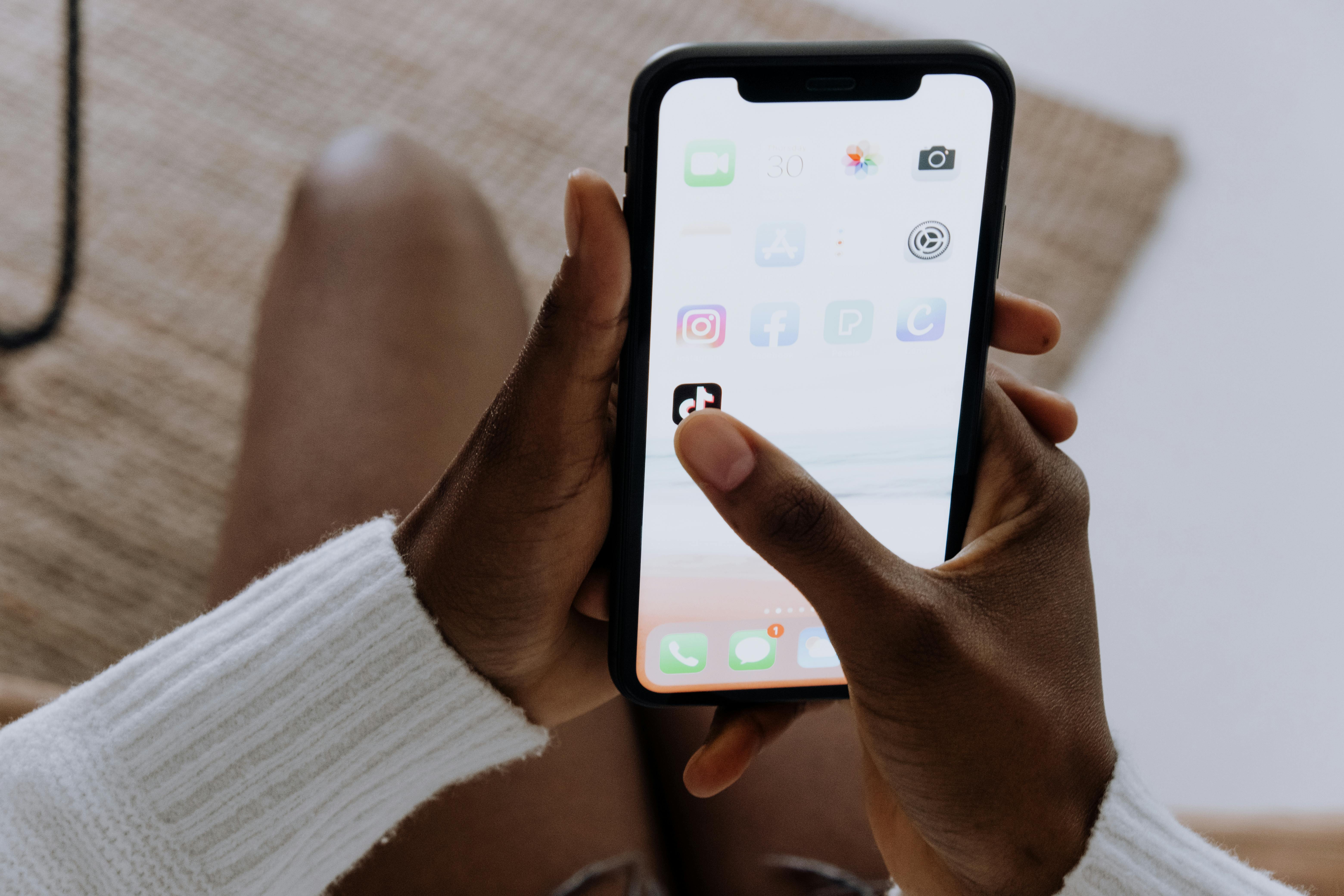
Cover photo: The Hidden Cost of Copycat Culture and Plagiarism / Credit: cottonbro studio



Leave a Reply