

The mainstream return of Fulani braids, Baby Phat purses, burnt CDs and mixtapes is a broader act of cultural preservation. Across TikTok, Instagram and beyond, a new generation is rediscovering the 1990s and early 2000s through music, fashion and slang. In fact, a recent survey found that 65% of Gen Z and 61% of Millennials now consider the ’90s the most stylish decade. However, that enthusiasm sometimes comes with friction: many popular R&B hits and streetwear styles of the era are being labeled “underrated,” as if their impact was overlooked at the time. For Gen X and Millennials who lived through those moments, that can feel frustrating or even disrespectful. When veterans point out that Amerie’s “1 Thing” was a Top 10 hit or that Baby Phat was once a billion-dollar fashion empire, they’re often met with accusations of gatekeeping the culture. In reality, this isn’t about hating on the newcomers – it’s about archiving a culture properl. Honoring the stories behind these trends helps keep their significance alive for future generations.
Preserving More Than Just Style
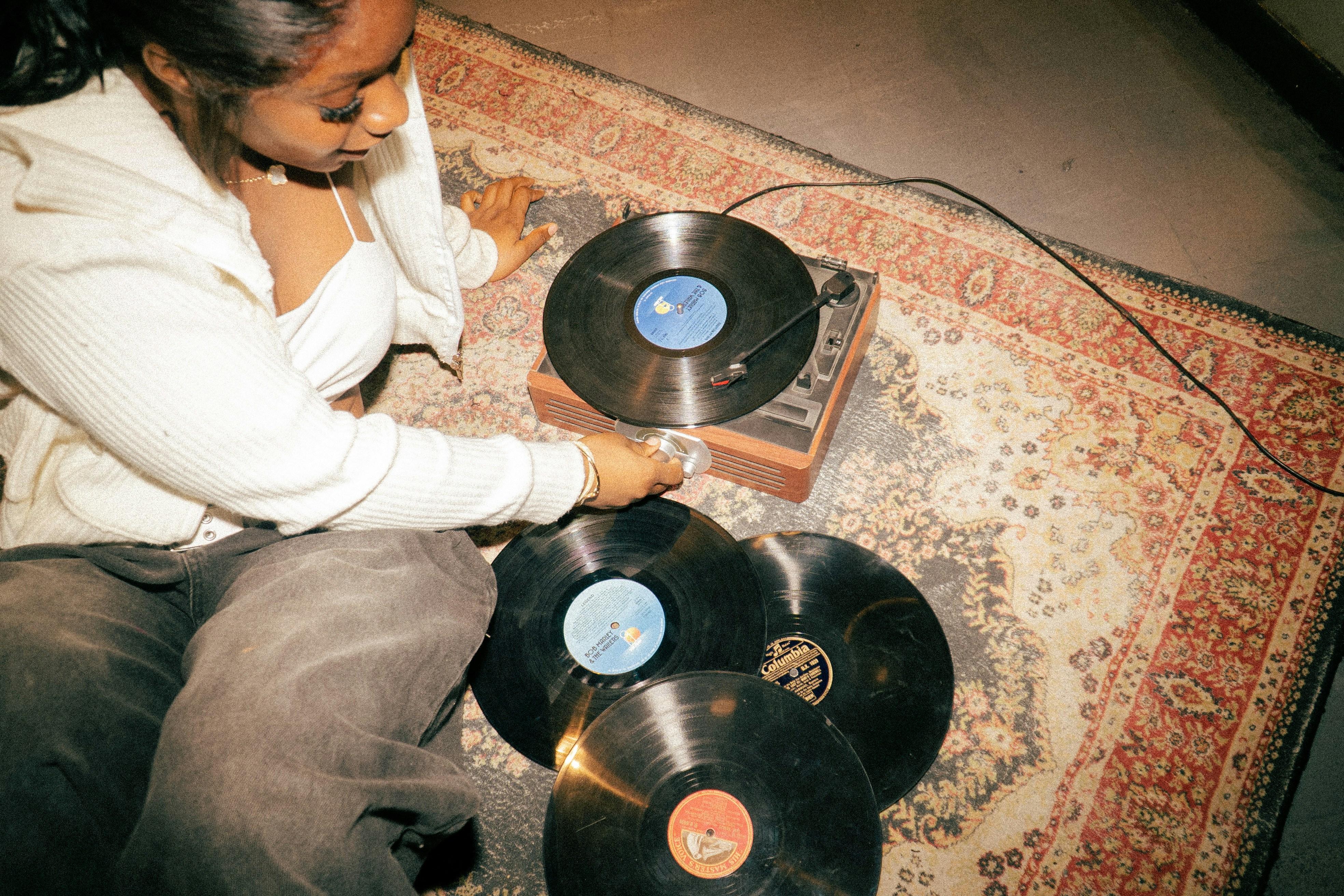
Preserving culture means more than re-watching old videos or swapping vintage pieces; it means recording the context and intent behind those moments. As journalist Brandon “Jinx” Jenkins told WIRED magazine, “Hip hop is still young… this whole thing’s pretty temporary, so we might as well keep what we can keep.” Jenkins, a hip-hop historian and archivist, emphasizes that with most of hip-hop’s pioneers still here, now is the time to save albums, photos, magazines and memories before they’re lost. Today libraries and museums are taking that to heart: for example, Cornell University’s archives hold over 250,000 hip-hop-related items, and the Smithsonian’s National Museum of African American History has curated artifacts like Grandmaster Flash’s turntable and the iconic boombox from Do the Right Thing. These collections show that archiving is already underway – keeping the history for anyone who cares to look.
On the business side, fashion brands once relegated to nostalgia are being revived as legacies, not just fads. For instance, Kimora Lee Simmons relaunched Baby Phat (her 2000s label) in 2023 with her daughters. Baby Phat was a hip-hop-driven phenomenon – “a worldwide billion-dollar empire at its peak,” Vogue reports – and its comeback is about reclaiming a Black female entrepreneurial legacy as much as capitalizing on a trend. Simmons herself notes that Baby Phat helped make women’s street style as mainstream as men’s, recalling “It was a really great time… I like to call it my graduating class” of designers and stars shaping Y2K culture. In this light, bringing back Baby Phat is less a marketing ploy and more an act of honoring that legacy.
Likewise, music events rooted in the era are framed as communal heritage more than just nostalgia. The Millennium Tour – featuring acts like B2K and Bow Wow – has built an entire experience around early-2000s R&B. As Essence magazine notes, the tour “banks on our love for early 2000s R&B year after year,” reuniting fans with the songs and style that defined their youth. For many attendees it wasn’t just a concert, but “a reset”, a chance to reconnect with the energy of that cultural moment. In each of these revivals, the goal seems to be more than cashing in on nostalgia; it’s about celebrating the identity and community that those brands and songs once created.
When Rediscovery Meets Resistance
Not surprisingly, this generational remix sometimes sparks debate. Younger fans discovering 2000s hits and calling them “underrated” can irk those who remember the original hype. Gen X and Millennials often step in with facts: Amerie’s “1 Thing,” for example, was a massive hit back in 2005, peaking at No. 8 on the Billboard Hot 100 and becoming the Washington, D.C. singer’s signature anthem. Baby Phat’s success wasn’t an accident – Vogue emphasizes it “became a hip-hop sensation, not to mention a worldwide billion-dollar empire at its peak”. By ignoring these details, calling classic tracks “sleepers” or “lost,” the younger generation sometimes unintentionally erases the real-time impact these songs and styles had on Black culture.
At its core, pushing back against these re-discoveries isn’t about gatekeeping, but about accuracy. It’s about making sure the legacy is recorded correctly. As Jim Crow Museum founder David Pilgrim (a sociology professor) quipped, “if you don’t make a movie about it, people don’t know it happened.” That warning – originally about Black history at large – rings true here too: unless these stories are preserved and retold, they risk being forgotten or rewritten. Citing charts, sales and first-hand accounts is helping to anchor cultural moments in truth. New fans are free to enjoy the vibe, but when they claim hits were overlooked, older fans are just trying to append the proper footnotes to history.
Digital Shortcuts and the Risk of Losing Context
Today’s tools can make cultural archiving both easier and trickier. Gen Z can ask ChatGPT for a quick history lesson, or watch a 60-second TikTok recap and feel like an expert, but those shortcuts often come without nuance. A short AI summary or viral clip can spark interest, but it can also blur the story. Without digging deeper, there’s a risk of spreading half-truths about Black culture. This isn’t just a “TikTok problem” – it’s a human problem in the age of information overload – but the stakes are high when heritage is at hand.
Why Archiving Matters
Archives may sound academic, but this is really about self-respect and pride. When we remember who did what first, and why it mattered, we honor the people who made culture happen. Archiving isn’t meant to dampen enthusiasm; it enriches it. Knowing that a track topped the charts, or that a bag was part of a pioneering entrepreneur’s story, lets us celebrate those achievements openly. It also keeps rich narratives from being reduced to memes or misremembered facts.
In the end, the revival of 90s/2000s Black culture is a gift – one that reminds us of the creativity and spirit of those years. It’s up to every generation to steward that gift properly. As historians and fans of all ages weigh in, the goal is to build a living archive: one where Platinum braids or a Baby Phat purse aren’t just trendy props, but symbols of a continuum. We should welcome new fans but also hand them the legacy with its full story.
The next time you see someone rocking velour or blasting Amerie’s 1 Thing, remember: they’re participating in a revival built on careful memory and pride. This resurgence is an act of cultural archiving—preserving history one braid, beat and rhyming verse at a time.


Leave a Reply