

Over the weekend, Queens-born rap titans Salt-N-Pepa ascended into the annals of music history — and with them, DJ Spinderella (real name Deidra Roper) reached an unprecedented milestone: she is now the first female DJ ever inducted into the Rock & Roll Hall of Fame. Her induction as the first female DJ ever honored by the Hall is a watershed moment—not only for hip-hop, but for women who’ve spent decades spinning, scratching, and sampling in the shadows.
For far too long, women in the DJ arena have been the backbone without the byline. They’ve kept dance floors moving and cultural shifts in rhythm, but rarely got top billing or mainstream recognition. Spinderella’s induction changes that. It validates the artistry and technical skill of female DJs, while also acknowledging that their contributions helped build hip-hop as we know it.
Breaking the Sound Barrier
From the birth of hip-hop in the Bronx to the club circuits of the 2000s, women have been spinning records—often without equal pay, respect, or visibility. Trailblazers like DJ Jazzy Joyce, Beverly Bond, and Coco Chanelle had to fight twice as hard for half the stage time. Even now, festivals and club rosters remain dominated by men.
So when Spinderella walked onto that Hall of Fame stage, it wasn’t just her moment—it was theirs too. It was a public rewriting of history, one that finally acknowledges that women aren’t merely participants in hip-hop culture, but architects. The decks are not a man’s domain. The mix is not a male language. The sound belongs to everyone who shaped it.
The Cultural Weight of a Turntable
Spinderella’s artistry has always been intentional. She joined Salt-N-Pepa as a teenager and became the sonic glue that held their groundbreaking sound together. Her ear defined an era—bridging R&B, house, funk, and hip-hop into one unmistakable groove. For many, she was the first woman they saw command a DJ booth with swagger and skill.
That visibility matters. Seeing a woman master turntables in the ‘80s and ‘90s gave permission for another generation to step up and say, me too. Her induction, decades later, is a recognition of the doors she opened—and the ones still left ajar.
A Night That Reminded Us Why It Matters
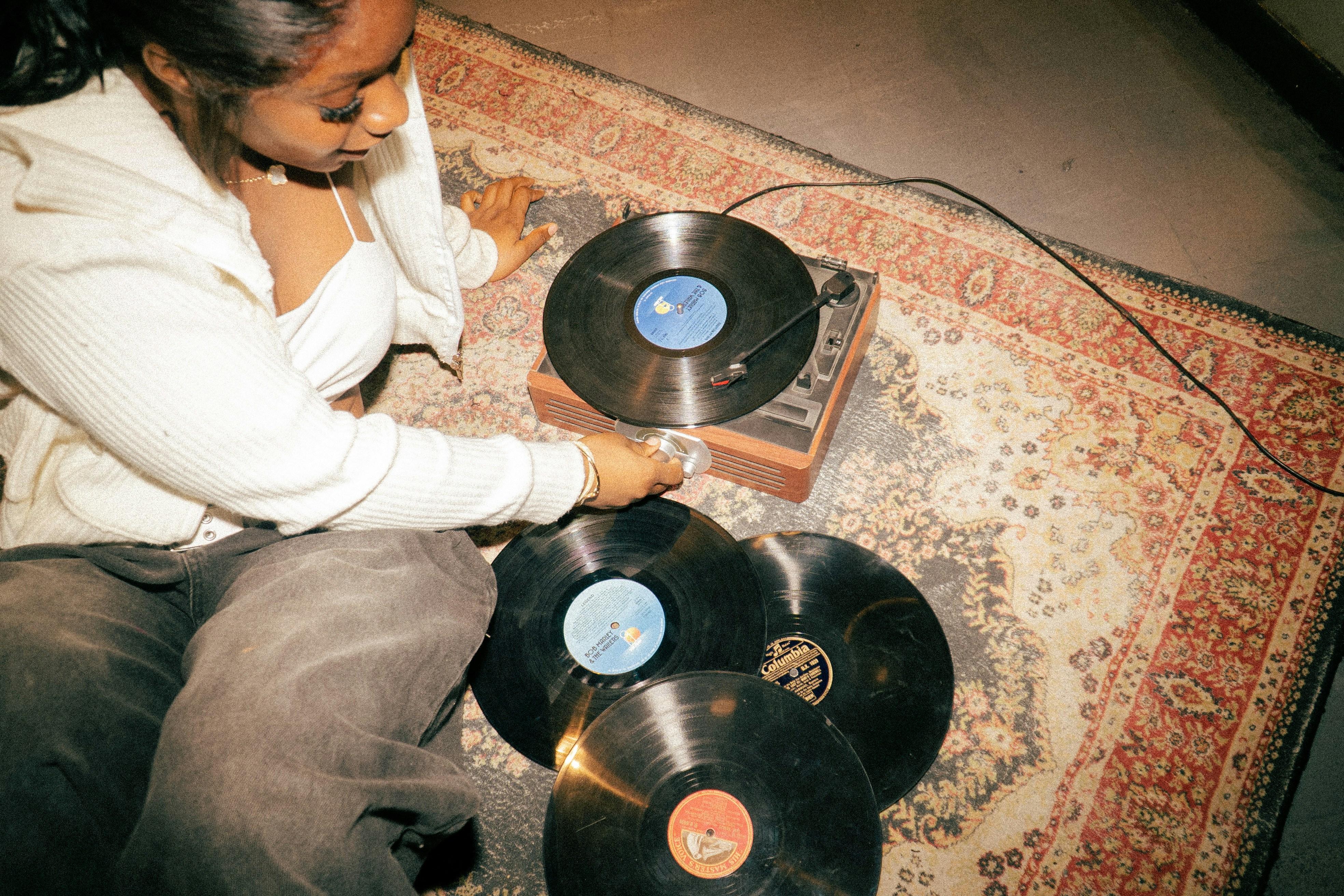
We saw that legacy live last year during Miami Art Week, when Spinderella performed an all-vinyl set at Dante’s HiFi in Wynwood—a venue where selectors spin strictly from records. Watching her behind the decks was an experience in reverence.
It was a reminder that DJing, at its core, is ritual. It’s deeply communal. To see Spinderella—someone who helped define the modern DJ’s role—spin wax in a room that honors the analog art form felt like a full-circle moment.
Why This Moment Is Bigger Than Music
Spinderella’s induction restores balance to an industry that too often sidelines the women who sustain it. It restores value to a craft that requires not only technical mastery but emotional intelligence and cultural fluency.
When we see her name etched in Rock & Roll Hall of Fame history, it’s a signal to every woman who’s ever been told she wasn’t “built for the booth.” It’s a promise that the culture will eventually make room for you—even if you have to carve the space yourself.
For I Love Us, this moment represents the reclamation of rhythm as heritage, of sound as legacy. From the booth to the Hall, Spinderella made sure the next woman in line doesn’t have to ask for permission to press play.
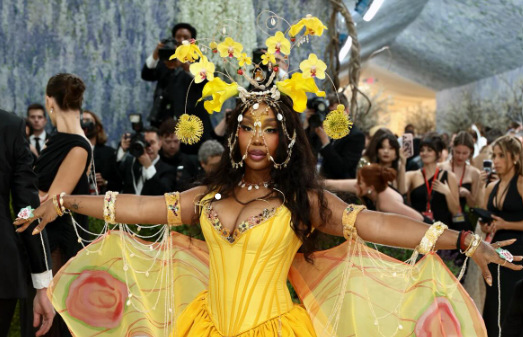
Cover photo: Frazer Harrison/Getty Images for RRHOF


Leave a Reply