
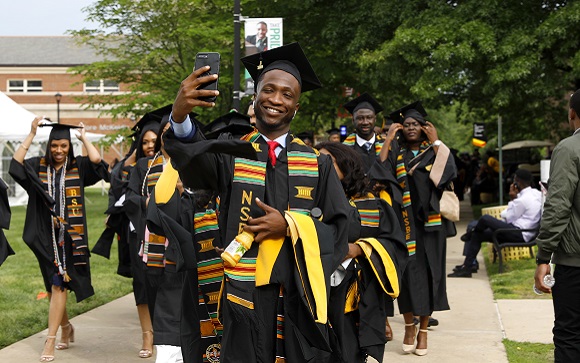
While we’re still in the thick of homecoming season, let’s talk about it.
In recent years, Historically Black Colleges and Universities (HBCUs) have gained more media attention, appearing in various TV shows, films, and documentaries. However, while some portrayals offer glimpses into HBCU life, Hollywood often falls into clichés or misses key aspects of these institutions. Here’s a look at what film and television often get wrong about HBCUs—and why more accurate representation is essential.
1. The Party School Stereotype
One of the most common tropes is depicting HBCUs as party schools. Shows like A Different World helped create a more balanced view, yet portrayals often focus on parties, social events, and Greek life, overshadowing the serious academic environment. In reality, HBCUs are known for fostering academic excellence, with graduates becoming leaders in fields from law to science and the arts. A more balanced portrayal would show both the vibrant social life and the strong commitment to learning and community service.
2. Oversimplifying the Diversity Within Blackness
Media often portray HBCUs as homogenous communities where everyone has similar experiences. This erases the rich diversity among students, who come from varied regions, socioeconomic backgrounds, and even countries. Including this range of backgrounds would give viewers a fuller picture of HBCU communities and better reflect reality.
3. Overlooking Academic Rigor
Hollywood often downplays the rigorous academics and expertise found at HBCUs, showing students focused more on social life than on class or studies. In reality, HBCU professors are highly qualified and deeply invested in student success. Portraying this would highlight the culture of excellence that permeates HBCUs and dispel misconceptions about academic rigor.
4. Reducing Greek Life to a Social Club
Greek life is often shown as the core of HBCU social life, focusing solely on step shows and parties. In truth, Black fraternities and sororities prioritize service, leadership, and mentorship, with a deep commitment to community. These organizations support lifelong bonds and provide professional opportunities, yet films and shows rarely highlight this impact.
5. Ignoring the Cultural Legacy of HBCUs
HBCUs have a rich history of supporting Black students when mainstream institutions excluded them. Many portrayals fail to capture this historical context, overlooking the pride and resilience that defines HBCU communities. Adding this context would not only educate viewers but also honor HBCUs’ nearly 200-year legacy of promoting Black excellence.
6. Simplifying Socioeconomic Diversity
HBCUs are often depicted as if all students share similar financial backgrounds, which fails to reflect the range of experiences. HBCUs support students from all economic backgrounds, including many first-generation college students. Showing the financial challenges students face, such as balancing part-time work or managing student debt, would add realism to portrayals.
7. Romanticizing Campus Life
While media often highlight the fun and community of HBCU life, they tend to ignore the challenges students face, such as mental health, navigating administration, and balancing personal and academic responsibilities. Showing students working through these struggles would create a more authentic representation of HBCU life.
The Importance of Accurate Representation
Accurate representation of HBCUs matters because it shapes public perception, especially for young Black viewers who may be considering their college options. Realistic portrayals can inspire pride and encourage students to explore what HBCUs have to offer, while helping correct misconceptions and honor the impact of these institutions.
Cover Photo: 7 Things Film and Television Get Wrong About HBCUs / Credit: Bowie State University



Leave a Reply