
Beyoncé’s Christmas halftime show was a masterclass in legacy-building. The set reached a crescendo with “My House,” where Beyoncé teased the audience, “Oh, who they came to see? Me.”
Queen Bey, we love you, but let’s be honest: when your teenage daughter Blue Ivy is on stage delivering a performance that has us glued to the screen, the answer gets complicated. Blue Ivy, noticeably stronger and more confident since her Renaissance tour debut, danced with such poise that many of us didn’t even realize Beyoncé herself was performing the same routine until we watched the replay. Moments like this make it impossible not to marvel at the beauty of Black nepotism in entertainment.
But why does it feel like Black nepotism stirs up so much criticism? And more importantly, why do we hesitate to celebrate it?
What is Black Nepotism?
Nepotism is often seen as a dirty word, but at its core, it’s about opportunity. In entertainment, nepotism is the network that connects talent to the right stages, record deals, or scripts. In Black communities—where systemic barriers have historically stifled generational wealth and access—it’s an act of rebellion to create opportunities for family.
Nepotism in Black entertainment isn’t limited to parent-child dynamics. Sure, we can name Beyoncé and Blue Ivy or Will and Jada Smith and their children, Willow and Jaden. But what about sibling mentorship, like Janet Jackson finding her lane in the shadows of her brothers’ success? Or the Wayans family, who turned comedy into a family enterprise? Or Solange dancing in the shadows of Destiny’s Child before releasing her own debut album? There are even aunt-niece legacies like Gladys Knight and Aaliyah, whose uncle Barry Hankerson helped guide her rise to fame.
In an explosive moment on Braxton Family Values (S4E9), Tamar Braxton resisted the idea that her sister Toni opened doors for her career. “Jesus paved the way for me!” she argued, as her sisters Trina and Towanda countered passionately, “Toni made Braxton a household name.” While Tamar’s defiance makes for great reality TV, the exchange highlights a truth: these connections provide access, but success still demands talent and hard work.
The Greats We’ve Gained from Nepotism
Black nepotism has delivered some of the most transformative artists in entertainment history. Motown’s Berry Gordy not only built an empire but also uplifted his family, helping to cement their influence in music. Brandy and Ray J turned their sibling bond into a shared cultural legacy. Even Denzel and Pauletta Washington, whose four children (John David, Olivia, Katia, and Malcolm) have carved their own lanes in the industry, show us the power of family as a springboard.
Still, nepotism only takes you so far. Opportunity can open the door, but talent, work ethic, and resilience are what keep you in the room. For every success story, there are cautionary tales of those who didn’t capitalize on the advantages afforded to them.
Black Nepotism as Resistance
What makes Black nepotism particularly powerful is that it exists in defiance of systemic oppression. Historically, Black families have had fewer opportunities to amass wealth, connections, and influence that could be passed down. For Black entertainers, nepotism is about reclaiming space and creating generational opportunities that didn’t previously exist.
When we criticize Black nepotism, we must ask ourselves: is it truly about merit, or are we holding Black families to unfair standards that we don’t apply to others? Mainstream media cheers on dynasties like the Kardashians in reality television and beauty, the Hadids in fashion, or the Mannings in football, but when it comes to Black success, the narrative often shifts to questioning whether the success was “earned.”
Looking Ahead: Building Legacies
Rather than critique, it’s time we celebrate the ways Black families are creating legacies in entertainment. Nepotism—when viewed through the lens of opportunity—is about what they do with the chance. Blue Ivy’s growth as a performer shows that talent and dedication still matter. Families like the Wayans or the Washingtons remind us of what’s possible when one generation pays it forward.
As we marvel at these legacies, we can ask ourselves: how can we create opportunities within our own families and communities? Whether it’s mentoring a sibling, investing in a niece’s dreams, or simply opening a door for someone else, the power of legacy-building lies in recognizing that we all have the ability to lift as we climb.
In the end, Black nepotism isn’t just about who’s next—it’s also about who is paving the way.
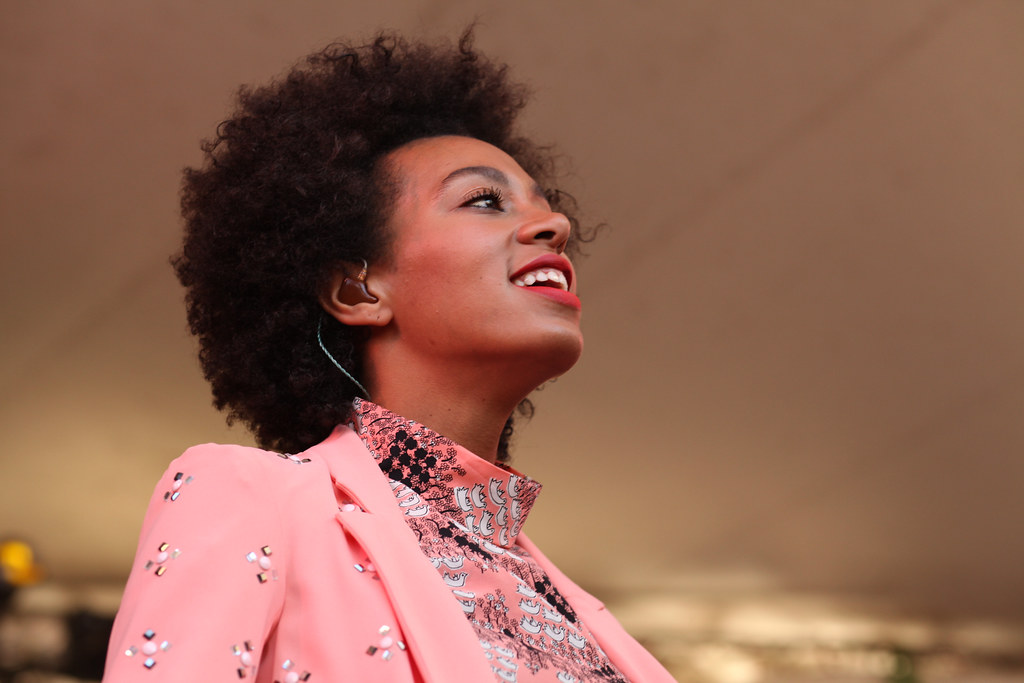
Cover photo: What’s Our Issue with Black Nepotism? / Credit: Anna Hanks




Leave a Reply