
Cultural appropriation—the act of taking or using elements from a culture that is not your own, especially without showing understanding or respect—is wrong.
Culture is not a costume. It is an extension of identity, lived experience, and generational pride. To see it repackaged and profited from by someone outside the community it comes from is not only frustrating, it’s deeply hurtful. The first four words of the definition—the act of taking—sum it up well. Appropriation is theft. It is entitlement wrapped in arrogance.
Cultural appreciation, on the other hand, is about celebration and recognition. It does not rely on caricatures or stereotypes to engage with culture. It invites reverence, not ridicule.
Still, these two concepts are often confused—or conveniently blurred. And that confusion is costly.
Appreciation means “to understand the worth or importance of something or someone.” That understanding looks like learning from native speakers, attending cultural events with respect, and doing the homework before donning someone else’s heritage as fashion. It’s not just vibes and aesthetics.
Appropriation is easier. And the fact that so many artists default to it begs the question: do they even view the cultures they borrow from as worthy of respect?
Let’s not pretend Elvis honored the Black artists he stole from. If he did, he would’ve used his platform to credit them—yet we still call him the “King of Rock ’n’ Roll.”
Radio personality and public speaker Princess Storm breaks it down plainly:
“Cultural appreciation in music happens when an artist acknowledges, respects, and uplifts the culture they are influenced by. If an artist is profiting from a culture but not supporting or respecting its originators, that’s exploitation, not appreciation.”
Proximity is not a permission slip.
Take Bhad Bhabie (Danielle Bregoli), for example. In the thick of COVID-19, she doubled down on appropriating Black hairstyles. Her defense? She “grew up in the hood.” Being near a culture isn’t the same as belonging to it, and it certainly doesn’t earn you the right to mimic it. She even compared herself to Tarzan, and yes—it went as poorly as it sounds.

Today, she still performs with a blaccent and recently used her platform to rap about Alabama Barker not being “invited to the cookout,” claiming she “wasn’t around the Blacks” enough. Her words, not ours.
Zohaib Sunesara, co-founder of Cuddle Pixie, weighs in:
“An artist’s background and life experiences can shape their exposure to different cultures, but they don’t necessarily grant them the right to take from those traditions without understanding or acknowledgment. Musical fusion has birthed innovation, but it must be ethical. True appreciation involves educating oneself about the roots of a genre.”
So why does this conversation hit so hard—especially for Black Americans?
Imagine this: you have the best lemonade stand on the block, but no one wants to admit it. Your lemonade is criticized, mocked, and labeled everything but excellent. Then someone else—someone who looks nothing like you—copies your recipe. Now, their lemonade is called innovative, trendy, “a vibe.” Same ingredients, different reception.
That’s what appropriation feels like. To be both the blueprint and the punchline.
“It’s not just disrespect—it’s erasure,” says Liam Perkins, digital marketing manager at Privr.
“Authenticity can’t be a costume.”
And when culture becomes costume, it reinforces harmful stereotypes. If a non-Black person only adopts exaggerated AAVE, long acrylic nails, cornrows, and over-the-top “sassiness,” they’re not just playing dress-up—they’re cosplaying as a stereotype of a Black woman. It’s offensive, not empowering.
As I once wrote on my own blog:
“It’s embarrassing to see Black culture reduced to a caricature. At the same time, it’s also upsetting that our culture is being equated to harmful stereotypes.”
Still, not everyone agrees on where the line is. Billy Heany, a Seattle-based DJ, believes the issue can go beyond race:
“There are certainly cases where theft of a style or even an entire song occurs. That’s wrong on many levels—but in those cases, it’s often more about the soul of the music being lost in pursuit of mass appeal. If we want to call that appropriation, fine. But I think it’s deeper than race and often undermines the struggles of all artists.”
Call it complex. But don’t call it harmless.
Cultural appropriation remains a pressing issue, especially in a society that profits from Blackness while denying Black people the freedom to be fully seen and celebrated. If you can’t show up with respect, you have no business pretending to belong. The path forward? Learn. Listen. And most importantly, give credit where it’s due.
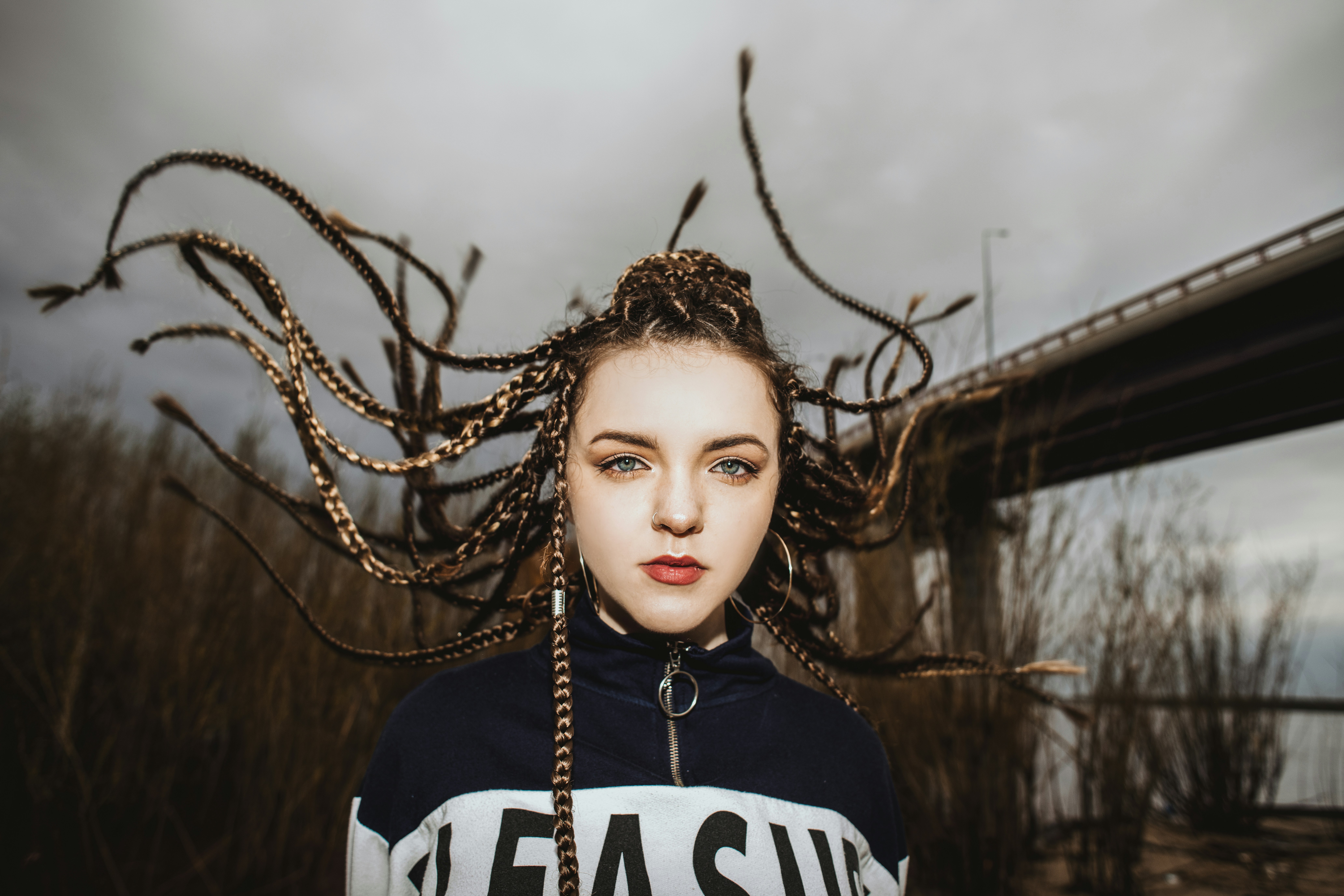
Cover photo: The Thin Line Between Cultural Appreciation and Appropriation / Credit: Konstantin Mishchenko on Unsplash


Leave a Reply