
June holds a special kind of meaning for us. It’s Black Music Month. It’s Pride. It’s also the one-year anniversary of I Love Us.
//www.instagram.com/embed.js
We launched this platform with a clear purpose: to tell stories that center and celebrate Black creativity—especially the kind that doesn’t always make the headlines. As a Harlem-born kid, I knew early that greatness lived in our neighborhoods, in our music, in our everyday people. I grew up blocks from legends, in classrooms and afterschool programs built on their legacy. Places like the Schomburg were my foundation.
When I moved to Baltimore County, I began to understand just how rare that foundation was. I saw how the world talked about us when we weren’t holding the mic. That’s when I realized: the next generation deserves what I had. A cultural head start. The stories behind the art. Proof that our talent isn’t some unreachable magic. It’s work, it’s purpose, and it’s ours.
This year has given us moments. One that stopped me in my tracks was covering the 30th anniversary of Gullah Gullah Island. As a kindergartner when the show debuted, I had no idea I was learning about my own people—my Gullah Geechee ancestors. That realization came full circle as I wrote the piece and wept with gratitude. TV taught me what my bloodline hadn’t yet revealed.
That’s what I Love Us is for. It’s for uncovering, documenting, and celebrating our full selves.
This month, we’re going deeper.
Black Music Month matters to me because music has always been the most intimate kind of documentation. It’s a journal, a love letter, a protest sign. It captures what we felt about ourselves, about the world, about God. I remember hearing Beyoncé’s “Church Girl” for the first time and immediately recognizing its brilliance—how it used The Clark Sisters’ “Center Thy Will” to honor a tradition I grew up with while also challenging it. The tension and depth of that song illustrates the power of Black music for me.
Music is also where our queer ancestors have always shown up, even when the industry didn’t know what to do with them. This month, as we celebrate Black artistry, we’re also lifting up the LGBTQIA+ creatives who shaped sound, style, and performance without ever being allowed to fully shine. Some were silenced. Others just never got their flowers.
We see them.
This June, we’re releasing content that honors these intersections. Some of it you already expect from us—interviews with artists who are shaping the culture right now. Some of it will surprise you, challenge you, maybe even shift how you see yourself.
While we’re doing all of this, we’re also being real with our community: we can’t do it alone. This work takes time, intention, and resources. Your support helps us stay online—not just today, but for the long haul. It keeps the site live, the stories flowing, and the cultural memory intact.
If you believe in what I Love Us stands for—if you’ve read a story that moved you, shared a post that felt like home, or simply want to see more platforms like this thrive—please consider supporting our work.
Thank you for believing in us and trusting us with this assignment.
With deep gratitude,
Thiy Parks
Founder + Editor-in-Chief, I Love Us
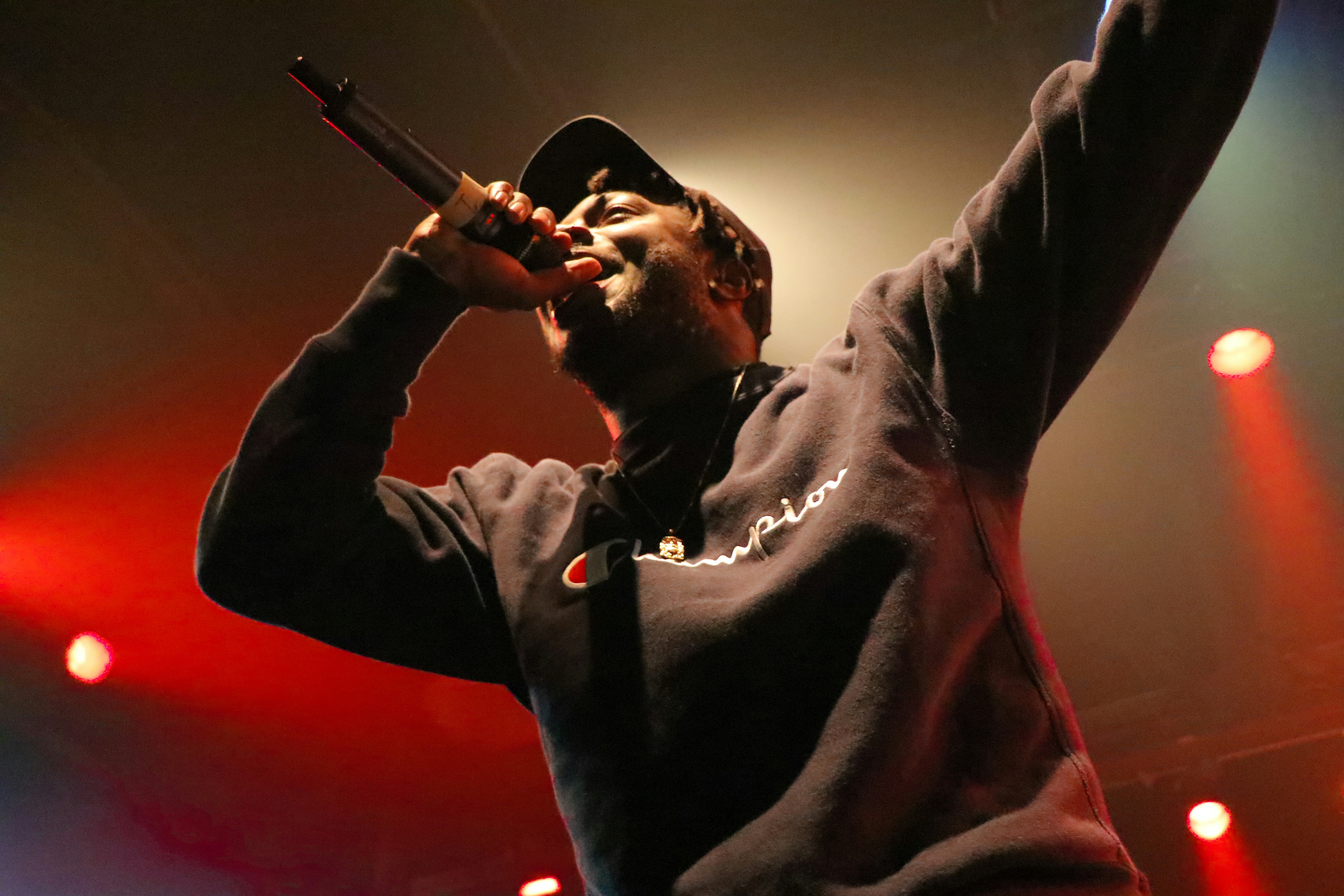
Cover photo: Letter from the Editor: One Year In, and Still Loving Us Out Loud / Credit: Photo by Mohammad Metri on Unsplash


Leave a Reply