One year into the journey, I Love Us finds itself at a familiar crossroads—where reflection meets recalibration. We launched with an ambitious vision: to document the budding Black renaissance we noticed, with substance and soul. As our first anniversary has come and gone, we’re sharpening our mission.
We are, quite intentionally, niching down.
It bears stating plainly: this publication was never meant to be all things to all people. There are countless platforms that do that, and most do it with more resources. Our focus has always been different. I Love Us exists to hold space for the stories that too often fall between the cracks of coverage. For the people and moments that shape the culture without always being centered in it.
We started with a broad editorial mandate—Black arts and entertainment. It didn’t take long to realize that what resonated most wasn’t just what our audience consumed, but who they saw reflected in the storytelling. Our sweet spot, we found, was in honoring what others overlook: the first-time Grammy nominee, the self-funded filmmaker, the quiet genius overcoming 250 TikTok views.
We are here for the ones who aren’t always seen.
This is not a sentimental posture. It’s strategic. As media becomes more consolidated and algorithms reward virality over value, it is easier than ever for nuance to be lost. Black culture is often commodified, but rarely documented with care unless it comes attached to a name that trends. We don’t aim to replicate what’s already being done. We’re working to build what’s missing.
We exist for the artists who still refer to themselves as “aspiring,” even though they’ve sold out shows in their hometown. For the creators whose families insist on a “real” major, even as they produce award-winning work. For the poets and playwrights balancing nine-to-fives while treating their craft like a second full-time job. For the brilliant minds whose pitches get passed over, whose reels go ignored, whose work is quietly plagiarized by those with bigger platforms and better legal teams.
We see you. We believe in your right to be documented before the world decides you matter. We are committed to being the place where that documentation begins.
We exist for the stories that start in church basements and living room jam sessions. For the artists who don’t have stylists or stage lighting, but whose talent is incandescent. For the Black girl filmmakers writing their debut script on the Notes app between shifts. For the musician whose EP was produced entirely on borrowed equipment. For the perfumer selling oils out of her apartment building. For the playwright staging a one-woman show in a community center because no one else would take a chance. For the rappers who are still in kindergarten, or the executive producers who are still in high school.
We are here for the artists without publicists, who still manage to get their stories told by showing up with excellence, vulnerability, and a Google Doc full of dreams.
That is what Year Two is about.
In this next chapter, we are clarifying our contract with our readers. Our job is to record who we are in real time, reframe the dominant narratives about Black artistry, and remind our people that their contributions matter– even when they aren’t yet celebrated.
This year, we are doubling down on:
- Emerging talent: We will continue to spotlight new and next voices in Black film, music, theater, literature, and visual art—especially those without institutional backing.
- Cultural critique: Our op-eds will expand to interrogate the everyday implications of being Black and creative in a world that consumes our work but rarely respects our labor.
- Legacy work: We are committed to documenting Black cultural contributions with a sense of intentionality. This means capturing stories in a way that reflects their ongoing value to the community.
- Creative infrastructure: We will explore the systems, funding gaps, and behind-the-scenes realities that make or break emerging Black artists. Our storytelling will highlight the need for sustainable pathways and equitable opportunities.
We also understand that our credibility is not built on access to celebrity, but on our ability to tell stories well. That means fact-checking, rigorous sourcing, editorial restraint, and a voice that can speak across generations without condescending to any.
We will always honor the household names who have paved the way–and will share stories about them that organically fit)–but our coverage will prioritize those still walking toward visibility.
Too many of our stories are lost before they are written down. Too many of our creators are exhausted by the hustle of proving they exist. I Love Us refuses to let that cycle continue unchallenged.
That means carving space for the nuanced conversations others sidestep: about burnout, about stolen intellectual property, about the real cost of showing up as a Black creative. It means allowing our writers to write from lived experience, not just distant observation. It means asking better questions and honoring the full arc of the artist’s story.
Our editorial philosophy is not just about what we publish. It’s about how we publish. We are deliberate in our language. We are transparent in our intent. The art we document is sacred. So is the labor.
We understand the weight of being both witness and scribe. Every interview, every feature, every caption is a chance to tell the truth—not just about what happened, but about what it meant. Our readers trust us because we don’t sensationalize. We contextualize. We do the research. We give our subjects room to be whole. If we’ve learned anything in our first year, it’s this: when you build something with integrity, people will find their way to it.
So, in this moment of clarity, we recommit.
To the storytellers, to the dreamers, to the record keepers, and to the ones still figuring it out—we see you. You are not invisible. You are essential. At I Love Us, your story will never be too small to be told with care.
We’re just getting started.
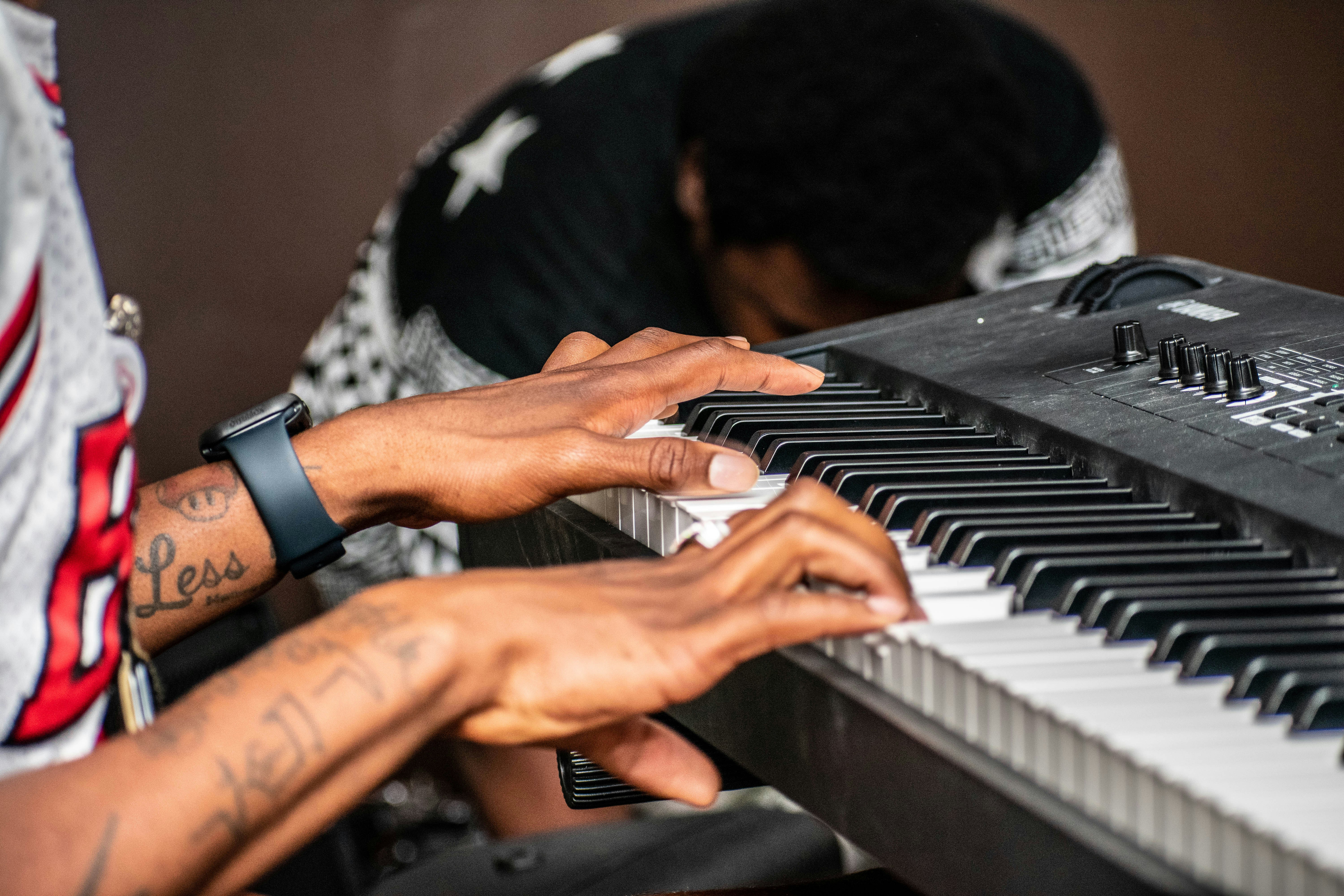
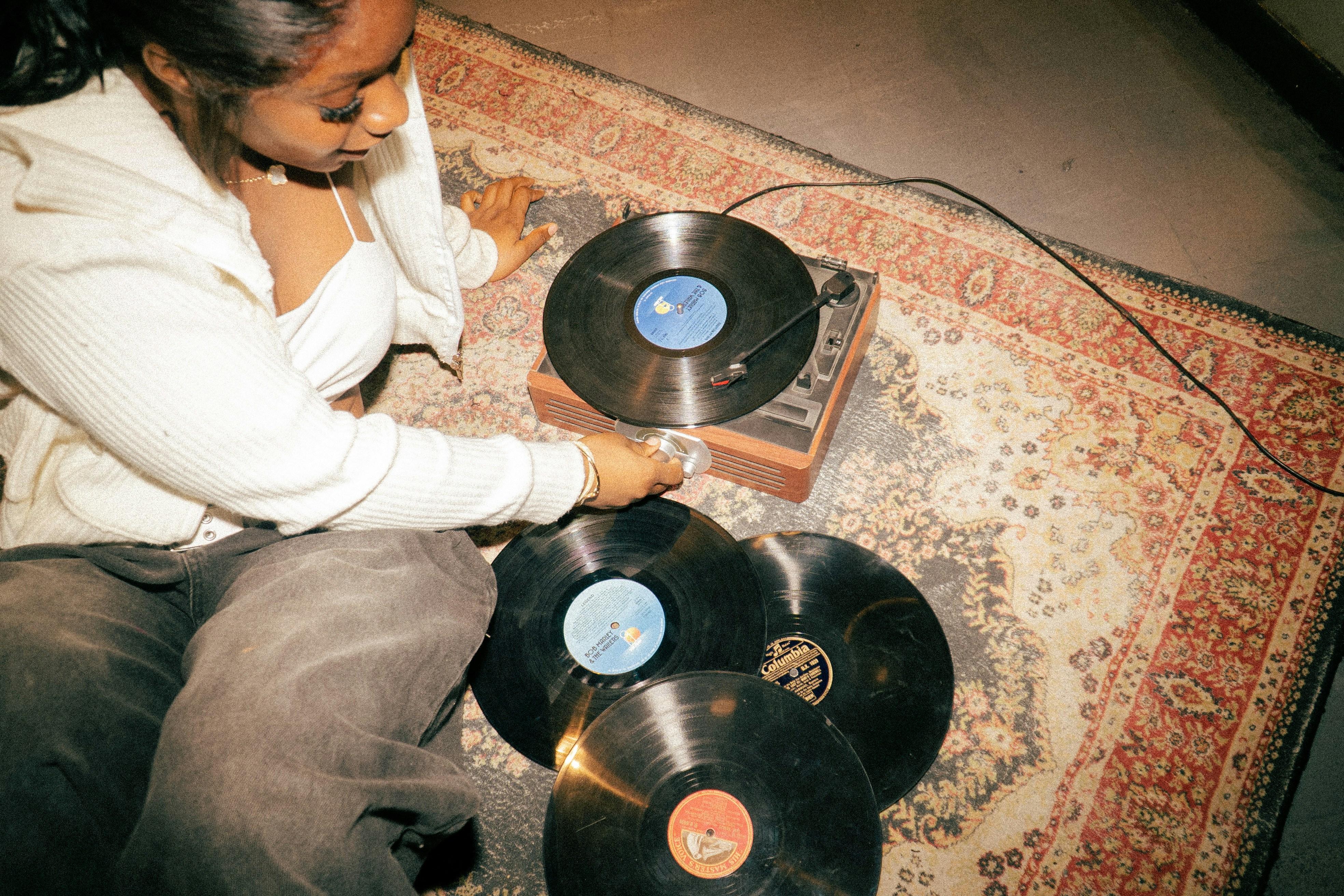
Cover photo: This Is I Love Us: A Platform for the Black Creatives the Industry Overlooks / Photo by Kristinah Archer on Unsplash

Leave a Reply