

This feature was originally published on October 29, 2024.
In a recent interview, renowned music producer and visionary Jermaine Dupri voiced his concerns about the decreasing number of young Black artists attending church, highlighting that many of the greatest musical talents–particularly in R&B and soul–began their journeys in that environment. The influence of the church on music, especially Black music, is undeniable, forming the foundation for some of the world’s greatest talents across gospel, R&B, soul, and hip-hop. I Love Us had the opportunity to chat with artist and composer Devin Morrison, who agrees. For him, the church was a transformative environment where musical skills were honed, nurtured, and brought to life.
//www.instagram.com/embed.js
Morrison, a classically trained composer, songwriter, and recording artist, embodies the unique sensibility that church upbringing can foster. Known for his smooth, harmony-rich style—what he calls “Dreamsoul”—Morrison’s music is a fusion of classical, jazz, and R&B, colored by the textures of church harmonies and soulful melodies. Reflecting on his upbringing, he shares, “My father was a pastor, and my mother was—and still is—the music director of her church. A lot of my harmonic sensibilities trace back to sitting in church, listening to my mother play.” For Morrison, and for many Black musicians, church wasn’t just where they heard music. Church was where they learned it, lived it, and found themselves within it.
Church as a Creative Classroom
For decades, the Black church has been a powerful incubator for musical talent. Those who grew up attending weekly services, choir rehearsals, and youth programs often engaged in a unique kind of music school. In Morrison’s experience, the church was the place where “some of the most incredible talent I’d seen” was bred. He’s not alone in this view. Generations of artists, from Aretha Franklin to Fantasia, found their first performances on Sunday mornings, not in recording studios.
Similar to Morrison, many of the earliest inspirations for remarkable music often come from within one’s own family. “I wish I had played piano or organ more in church, but my mom was already so good at it, so I played drums instead. The same went for singing with my father; I’d think, ‘Eh, I don’t think I’ll be able to live up to that.’”
Jermaine Dupri’s concern about the shift away from church by younger artists today points to the loss of this accessible musical training. In Black communities, church offered training that might otherwise be out of reach financially or logistically. For young musicians in financially restricted families, this environment provided essential access to instruments, vocal training, and performance experience.
The Elements of Church Music Training
One unique aspect of church music is the emphasis on communal singing, which requires blending voices, harmonizing, and listening intently to others—a skill set that many secular musicians may not fully develop. Morrison reflects on how church choirs instill a unique depth of musical skill. “There’s a unique anointing that comes from singing to God as a form of practice,” he says, noting that singing in the church is also an act of faith. “Another practical example is learning how to blend your voice with others, or even with your own background vocals.” Choirs offer vocalists a powerful sense of unity, merging voices to create something larger than themselves—an experience that many secular music circles may not replicate. Additionally, church performance taught many young musicians stage presence, how to improvise, and how to channel emotion, transforming them into skilled, versatile artists before they ever entered a recording studio.
Why Many Are Leaving the Church
The decline in church attendance, particularly among young Black adults, is a trend that has left many in the music industry reflecting on the impact. Dupri’s remarks highlight a question: if the church was so foundational, why have so many distanced themselves? The answer is layered, with sociocultural and ideological shifts playing significant roles.
One major factor is the changing perception of spirituality. “Let’s face it—the church has become less ‘cool’ over the years, and more people identify as ‘spiritual,’ perhaps to free themselves from the doctrine. Whatever the case, it’s definitely had an impact,” Morrison shares. They seek a personal connection with spirituality that doesn’t come with the perceived limitations of organized religion. This trend includes a growing interest in exploring diverse African religious traditions, such as hoodoo, as individuals seek to trace their roots and engage with alternative spiritual practices. For some, the structure of traditional church services feels incompatible with their desire for a more personalized spiritual journey, leading them to find or create communities outside of church.
Others point to the church’s historical stances on social issues like LGBTQIA+ rights, racial justice, and gender roles, which have at times been sources of tension and division. Some feel that the church’s teachings on these topics can be restrictive, and younger generations are increasingly vocal about seeking environments that embrace inclusivity and progressive views. Many individuals are leaving the church due to experiences of church hurt, compounded by the alarming prevalence of unchecked harm and abuses, including sex crimes that have marred the sanctity of these spaces. Additionally, a desire for authenticity has led some to view church traditions as too formal or scripted, preferring expressions of faith that feel more personal and less institutional.
A Changing Sound in the Church
For Morrison, the shift away from traditional Gospel music within the church itself is a significant cultural loss. “I just hope the church returns to making church music,” he says. The adaptation of Contemporary Christian Music (CCM) styles, intended to attract younger audiences, sometimes means that Gospel’s unique sound is minimized in favor of a more modern feel. While Morrison understands the intent, he worries that something integral to Gospel is lost in this shift. “Sometimes you’ll go to a church, and it’s all CCM-inspired, which is cool—but at the same time, not really,” he notes. “I have a lot of respect for churches that hold on to real Gospel music.”
The Church’s Lasting Impact on Music and Morrison’s Career
Morrison’s career is just one example of the church’s influence, a continuation of the rich musical legacy he inherited. His debut album, Bussin’, blends the harmonies and soulfulness of church music with modern R&B and jazz influences. Described as “Dreamsoul,” his music has been celebrated for its nostalgic yet fresh sound. Collaborating with artists like Masego and VanJess, Morrison has brought this church-rooted sound into contemporary spaces, bridging past and present in ways that resonate with today’s listeners.
Looking Forward
In a time when organized religion holds less sway, Morrison remains optimistic that the church’s musical legacy will continue to inspire. Gospel music is a repository of cultural and spiritual depth, an art form that channels centuries of resilience, joy, and communal experience. Even if today’s artists are less likely to have grown up in church, the “anointing” that Morrison describes is a thread that ties back to the very roots of Black musical expression.
Dupri and Morrison’s reflections are calls to remember and respect the church’s role as a foundation for so many Black artists. The Black church has always been recognized as more than a place of worship, but we can’t forget its place as a stage, a classroom, and a place where young people learned to believe in the power music. “Gospel music, in my opinion, is at the root of all the good stuff. But as long as ‘Soul’ is a thing, Gospel will continue to influence much of today’s music and the music of the future,” Morrison says.
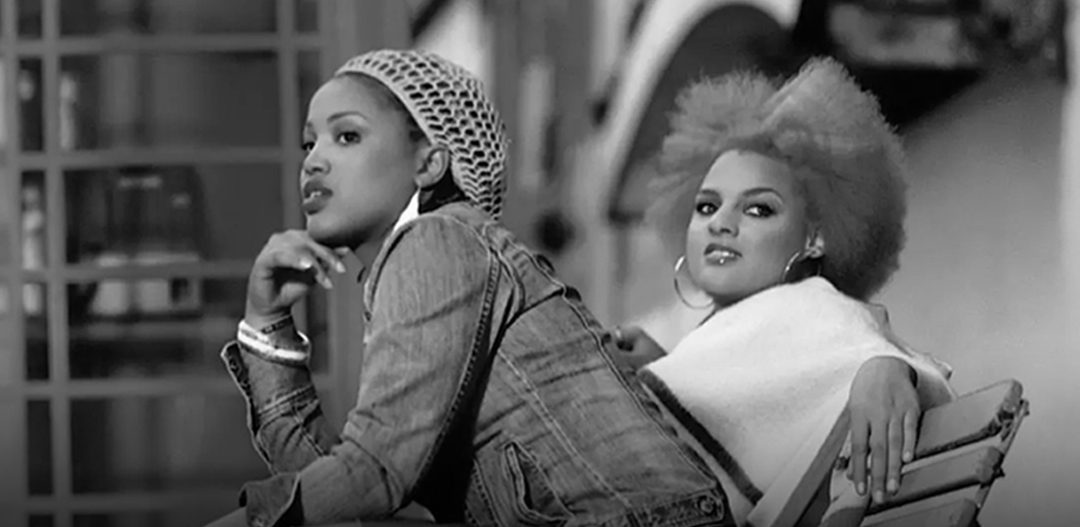
Cover photo: The Church’s Role in Shaping Devin Morrison’s Sound / Courtesy of Devin Morrison



Leave a Reply to Keyauri KendrickCancel reply